Case Studies

Eduardo Prudencio

7 Min Read
The Real Cost of Poor Insulation
The Real Cost of Poor Insulation
The Real Cost of Poor Insulation
Janu 15, 2025
Janu 15, 2025
The Hidden Cost of Bad Insulation (And How to Fix It)
You can’t always see your insulation — but you can definitely feel when it’s not working. High energy bills, drafty rooms, moisture issues, and uneven temperatures are all signs that your insulation may be costing you more than you think. At EcoMax, we’ve helped hundreds of homeowners and builders uncover the real cost of bad insulation — and fix it for good.
1. Higher Utility Bills
Poor insulation allows heated or cooled air to escape your home, forcing your HVAC system to work harder — and cost you more.
Heat escapes through attic and wall gaps in winter
AC leaks through framing in summer
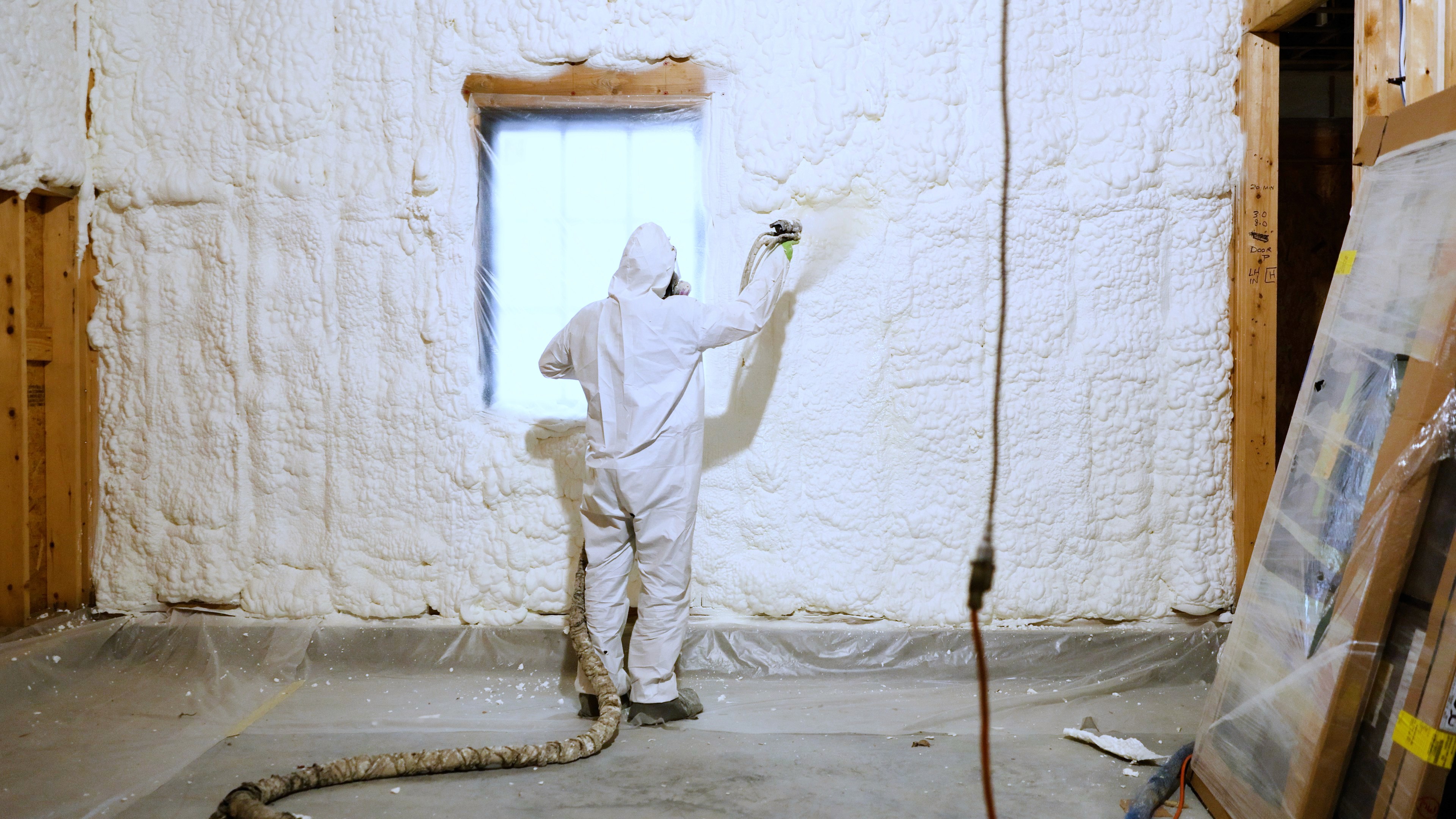
Spray foam or dense-pack cellulose can drastically reduce loss
Estimated Loss: 20–30% of energy waste is due to poor insulation or air leaks.
2. Drafts & Cold Floors
Drafts and uneven temps aren’t just uncomfortable — they’re a clear sign that your insulation isn’t performing.
What causes this?
Gaps in fiberglass batts
Missing insulation in rim joists or crawl spaces
Air leaks around windows, top plates, and framing
Solution: Seal with spray foam or upgrade existing batts with proper air sealing.
3. Moisture & Mold Risk
Bad insulation = poor vapor control. When warm air meets cold surfaces, condensation can form — especially in attics and basements.
Results:
Mold growth
Wood rot
Poor indoor air quality
Fix: Closed-cell spray foam creates a moisture-resistant barrier and helps prevent future issues.
4. Noise Transfer & Poor Privacy
Insulation doesn’t just regulate temperature — it also blocks sound. If your home feels “echoey” or you hear every footstep, it’s time for better sound control.
Use cases:
Bedrooms
Multi-family units
Home offices and studios
Fix: Add cellulose or mineral wool in interior walls for noise reduction and comfort.
5. Settling, Gaps & Aging Materials
Older homes often have insulation that’s shifted, settled, or deteriorated. Even new homes can suffer from poor installation.
Warning signs:
Insulation pulling away in the attic
Compressed fiberglass batts
Visible gaps or damp spots
Fix: Retrofit with modern materials like blown-in cellulose or foam, and ensure full cavity coverage.
The Hidden Cost of Bad Insulation (And How to Fix It)
You can’t always see your insulation — but you can definitely feel when it’s not working. High energy bills, drafty rooms, moisture issues, and uneven temperatures are all signs that your insulation may be costing you more than you think. At EcoMax, we’ve helped hundreds of homeowners and builders uncover the real cost of bad insulation — and fix it for good.
1. Higher Utility Bills
Poor insulation allows heated or cooled air to escape your home, forcing your HVAC system to work harder — and cost you more.
Heat escapes through attic and wall gaps in winter
AC leaks through framing in summer
Spray foam or dense-pack cellulose can drastically reduce loss
Estimated Loss: 20–30% of energy waste is due to poor insulation or air leaks.
2. Drafts & Cold Floors
Drafts and uneven temps aren’t just uncomfortable — they’re a clear sign that your insulation isn’t performing.
What causes this?
Gaps in fiberglass batts
Missing insulation in rim joists or crawl spaces
Air leaks around windows, top plates, and framing
Solution: Seal with spray foam or upgrade existing batts with proper air sealing.
3. Moisture & Mold Risk
Bad insulation = poor vapor control. When warm air meets cold surfaces, condensation can form — especially in attics and basements.
Results:
Mold growth
Wood rot
Poor indoor air quality
Fix: Closed-cell spray foam creates a moisture-resistant barrier and helps prevent future issues.
4. Noise Transfer & Poor Privacy
Insulation doesn’t just regulate temperature — it also blocks sound. If your home feels “echoey” or you hear every footstep, it’s time for better sound control.
Use cases:
Bedrooms
Multi-family units
Home offices and studios
Fix: Add cellulose or mineral wool in interior walls for noise reduction and comfort.
5. Settling, Gaps & Aging Materials
Older homes often have insulation that’s shifted, settled, or deteriorated. Even new homes can suffer from poor installation.
Warning signs:
Insulation pulling away in the attic
Compressed fiberglass batts
Visible gaps or damp spots
Fix: Retrofit with modern materials like blown-in cellulose or foam, and ensure full cavity coverage.
The Hidden Cost of Bad Insulation (And How to Fix It)
You can’t always see your insulation — but you can definitely feel when it’s not working. High energy bills, drafty rooms, moisture issues, and uneven temperatures are all signs that your insulation may be costing you more than you think. At EcoMax, we’ve helped hundreds of homeowners and builders uncover the real cost of bad insulation — and fix it for good.
1. Higher Utility Bills
Poor insulation allows heated or cooled air to escape your home, forcing your HVAC system to work harder — and cost you more.
Heat escapes through attic and wall gaps in winter
AC leaks through framing in summer
Spray foam or dense-pack cellulose can drastically reduce loss
Estimated Loss: 20–30% of energy waste is due to poor insulation or air leaks.
2. Drafts & Cold Floors
Drafts and uneven temps aren’t just uncomfortable — they’re a clear sign that your insulation isn’t performing.
What causes this?
Gaps in fiberglass batts
Missing insulation in rim joists or crawl spaces
Air leaks around windows, top plates, and framing
Solution: Seal with spray foam or upgrade existing batts with proper air sealing.
3. Moisture & Mold Risk
Bad insulation = poor vapor control. When warm air meets cold surfaces, condensation can form — especially in attics and basements.
Results:
Mold growth
Wood rot
Poor indoor air quality
Fix: Closed-cell spray foam creates a moisture-resistant barrier and helps prevent future issues.
4. Noise Transfer & Poor Privacy
Insulation doesn’t just regulate temperature — it also blocks sound. If your home feels “echoey” or you hear every footstep, it’s time for better sound control.
Use cases:
Bedrooms
Multi-family units
Home offices and studios
Fix: Add cellulose or mineral wool in interior walls for noise reduction and comfort.
5. Settling, Gaps & Aging Materials
Older homes often have insulation that’s shifted, settled, or deteriorated. Even new homes can suffer from poor installation.
Warning signs:
Insulation pulling away in the attic
Compressed fiberglass batts
Visible gaps or damp spots
Fix: Retrofit with modern materials like blown-in cellulose or foam, and ensure full cavity coverage.
How EcoMax Fixes It
We don’t just patch the problem — we solve it at the root. Our team will:
Inspect your insulation system
Identify energy leaks and problem zones
Recommend the best materials and R-values
Upgrade your home with clean, professional installation
Stop Overpaying for a Home That’s Underperforming
Let’s fix your insulation once — and feel the difference every season.
How EcoMax Fixes It
We don’t just patch the problem — we solve it at the root. Our team will:
Inspect your insulation system
Identify energy leaks and problem zones
Recommend the best materials and R-values
Upgrade your home with clean, professional installation
Stop Overpaying for a Home That’s Underperforming
Let’s fix your insulation once — and feel the difference every season.
How EcoMax Fixes It
We don’t just patch the problem — we solve it at the root. Our team will:
Inspect your insulation system
Identify energy leaks and problem zones
Recommend the best materials and R-values
Upgrade your home with clean, professional installation
Stop Overpaying for a Home That’s Underperforming
Let’s fix your insulation once — and feel the difference every season.
Comments