Blog

Eduardo Prudencio

6 Min Read
Homeowner Tips
Homeowner Tips
Homeowner Tips
Janu 06, 2025
Janu 06, 2025
Spray Foam, Fiberglass, or Cellulose — Which One’s Right for Your Project?
Choosing the right insulation can make or break your comfort, energy efficiency, and construction budget. With so many materials on the market, it’s easy to get overwhelmed. At EcoMax Insulation, we break it down simply: the best insulation is the one that fits your project’s needs — not just a trend. Here’s a side-by-side look at spray foam, fiberglass, and cellulose to help you make the right call.
1. Spray Foam Insulation
Best for: Maximum performance, air sealing, moisture control
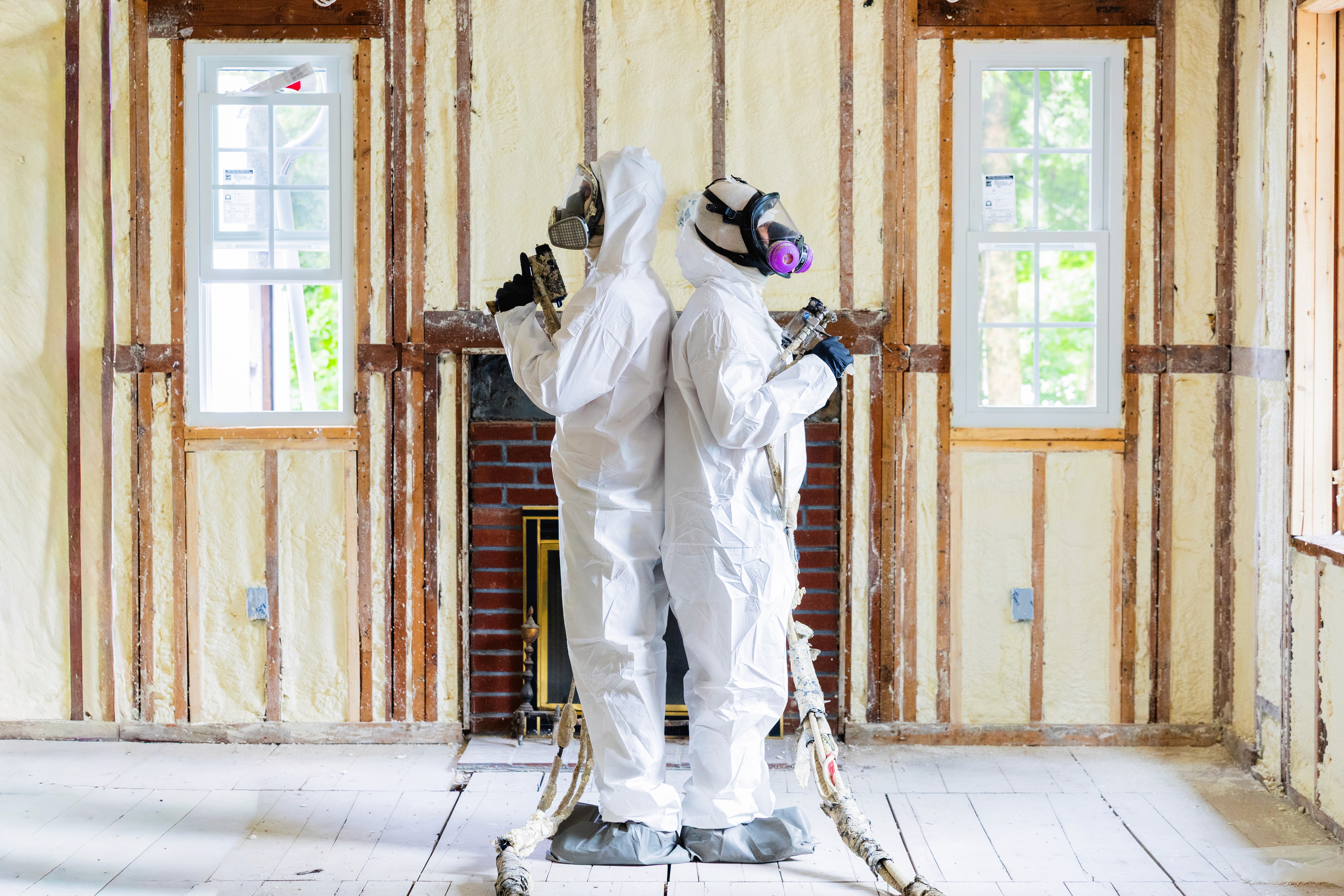
Spray foam expands to fill every gap, sealing air leaks and locking in energy efficiency. It's available in two types:
Closed-cell: Highest R-value, acts as vapor barrier, adds structural strength
Open-cell: More affordable, great for soundproofing interior walls
Pros:
Extremely energy efficient
Blocks air and moisture
Lasts for decades
Great for irregular spaces
Cons:
Higher upfront cost
Requires professional installation
2. Fiberglass Insulation (Batt or Blown-In)
Best for: Budget-friendly installs and wide wall/ceiling areas
Fiberglass is one of the most common insulation materials, especially for new construction or simple upgrades. It’s non-combustible, mold-resistant, and easy to install.
Pros:
Cost-effective
Quick to install
Readily available
Meets code easily
Cons:
Can leave air gaps if poorly installed
Lower R-value per inch than spray foam
Less effective air sealing
3. Cellulose Insulation
Best for: Eco-conscious homes and dense wall fills
Made from recycled paper treated for fire, mold, and pest resistance, cellulose is ideal for retrofits and soundproofing. It’s often dense-packed into walls or blown into attics.
Pros:
Environmentally friendly
Excellent for dense fills and sound absorption
Inexpensive material cost
High R-value compared to fiberglass
Cons:
Settling over time may reduce effectiveness
Can retain moisture if not sealed properly
Needs professional blowing equipment
Spray Foam, Fiberglass, or Cellulose — Which One’s Right for Your Project?
Choosing the right insulation can make or break your comfort, energy efficiency, and construction budget. With so many materials on the market, it’s easy to get overwhelmed. At EcoMax Insulation, we break it down simply: the best insulation is the one that fits your project’s needs — not just a trend. Here’s a side-by-side look at spray foam, fiberglass, and cellulose to help you make the right call.
1. Spray Foam Insulation
Best for: Maximum performance, air sealing, moisture control
Spray foam expands to fill every gap, sealing air leaks and locking in energy efficiency. It's available in two types:
Closed-cell: Highest R-value, acts as vapor barrier, adds structural strength
Open-cell: More affordable, great for soundproofing interior walls
Pros:
Extremely energy efficient
Blocks air and moisture
Lasts for decades
Great for irregular spaces
Cons:
Higher upfront cost
Requires professional installation
2. Fiberglass Insulation (Batt or Blown-In)
Best for: Budget-friendly installs and wide wall/ceiling areas
Fiberglass is one of the most common insulation materials, especially for new construction or simple upgrades. It’s non-combustible, mold-resistant, and easy to install.
Pros:
Cost-effective
Quick to install
Readily available
Meets code easily
Cons:
Can leave air gaps if poorly installed
Lower R-value per inch than spray foam
Less effective air sealing
3. Cellulose Insulation
Best for: Eco-conscious homes and dense wall fills
Made from recycled paper treated for fire, mold, and pest resistance, cellulose is ideal for retrofits and soundproofing. It’s often dense-packed into walls or blown into attics.
Pros:
Environmentally friendly
Excellent for dense fills and sound absorption
Inexpensive material cost
High R-value compared to fiberglass
Cons:
Settling over time may reduce effectiveness
Can retain moisture if not sealed properly
Needs professional blowing equipment
Spray Foam, Fiberglass, or Cellulose — Which One’s Right for Your Project?
Choosing the right insulation can make or break your comfort, energy efficiency, and construction budget. With so many materials on the market, it’s easy to get overwhelmed. At EcoMax Insulation, we break it down simply: the best insulation is the one that fits your project’s needs — not just a trend. Here’s a side-by-side look at spray foam, fiberglass, and cellulose to help you make the right call.
1. Spray Foam Insulation
Best for: Maximum performance, air sealing, moisture control
Spray foam expands to fill every gap, sealing air leaks and locking in energy efficiency. It's available in two types:
Closed-cell: Highest R-value, acts as vapor barrier, adds structural strength
Open-cell: More affordable, great for soundproofing interior walls
Pros:
Extremely energy efficient
Blocks air and moisture
Lasts for decades
Great for irregular spaces
Cons:
Higher upfront cost
Requires professional installation
2. Fiberglass Insulation (Batt or Blown-In)
Best for: Budget-friendly installs and wide wall/ceiling areas
Fiberglass is one of the most common insulation materials, especially for new construction or simple upgrades. It’s non-combustible, mold-resistant, and easy to install.
Pros:
Cost-effective
Quick to install
Readily available
Meets code easily
Cons:
Can leave air gaps if poorly installed
Lower R-value per inch than spray foam
Less effective air sealing
3. Cellulose Insulation
Best for: Eco-conscious homes and dense wall fills
Made from recycled paper treated for fire, mold, and pest resistance, cellulose is ideal for retrofits and soundproofing. It’s often dense-packed into walls or blown into attics.
Pros:
Environmentally friendly
Excellent for dense fills and sound absorption
Inexpensive material cost
High R-value compared to fiberglass
Cons:
Settling over time may reduce effectiveness
Can retain moisture if not sealed properly
Needs professional blowing equipment
Our Recommendation
Every home and building is different. If you're not sure what fits your project, EcoMax will walk you through the options during your free consultation — balancing budget, comfort, and performance.
Our Recommendation
Every home and building is different. If you're not sure what fits your project, EcoMax will walk you through the options during your free consultation — balancing budget, comfort, and performance.
Our Recommendation
Every home and building is different. If you're not sure what fits your project, EcoMax will walk you through the options during your free consultation — balancing budget, comfort, and performance.
Comments