Blog

Eduardo Prudencio

10 Min Read
Eco-Friendly Insulation: What Makes Cellulose a Green Choice?
Eco-Friendly Insulation: What Makes Cellulose a Green Choice?
Eco-Friendly Insulation: What Makes Cellulose a Green Choice?
Janu 11, 2025
Janu 11, 2025
Eco-Friendly Insulation: What Makes Cellulose a Green Choice?
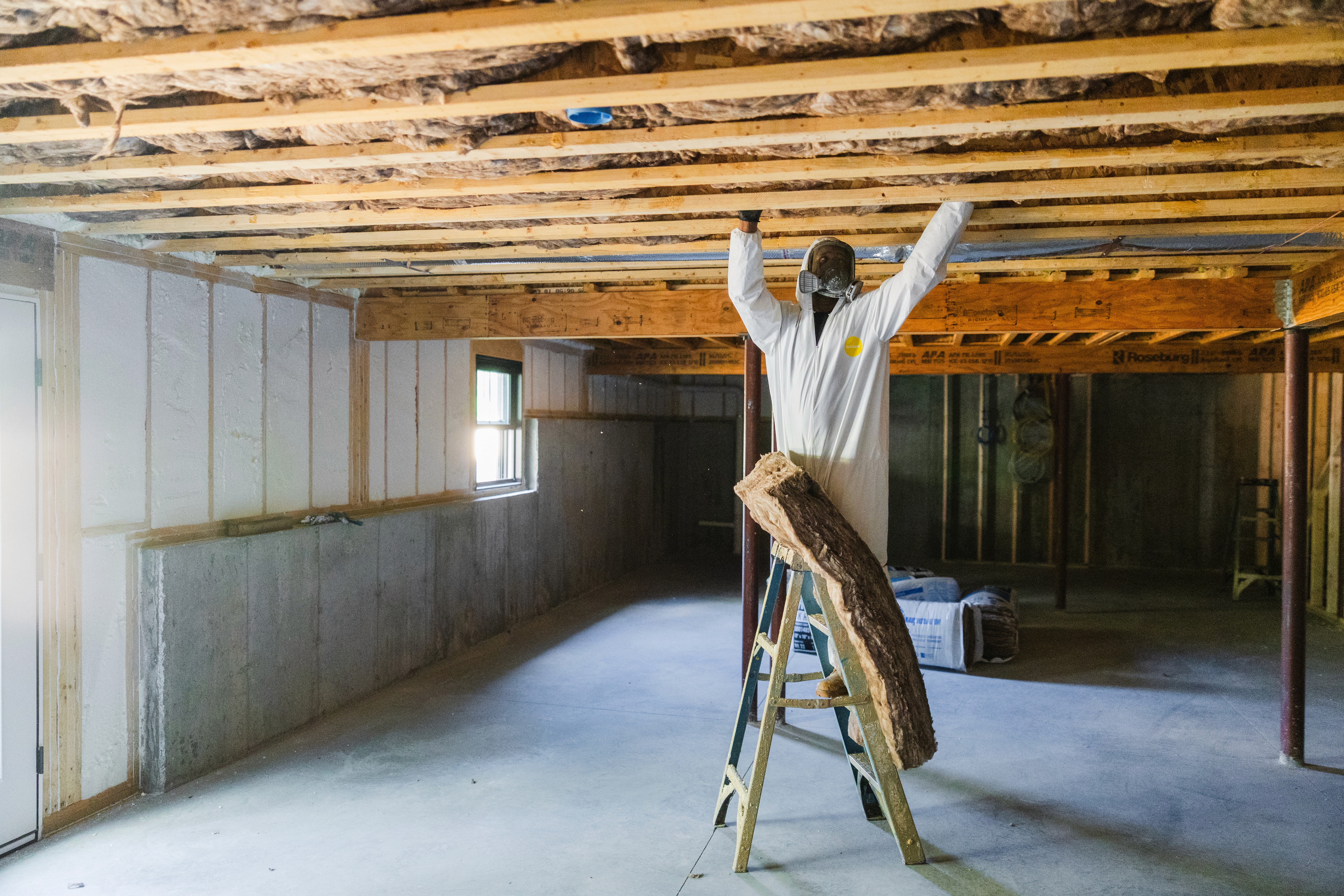
If you’re looking for an insulation material that’s both effective and environmentally responsible, look no further than cellulose. At EcoMax Insulation, we work with builders and homeowners who care about comfort and sustainability — and cellulose offers the perfect balance.
Made from recycled materials, treated for safety, and designed for performance, cellulose insulation is more than a “green” choice — it’s a smart one.
♻️ What Is Cellulose Insulation?
Cellulose is primarily made from recycled newspaper and paper fibers. It’s treated with natural, non-toxic additives to make it:
Fire-resistant (Class A rated)
Mold- and pest-resistant
Safe for indoor air quality
It’s typically blown in to cover large areas or dense-packed into wall cavities for retrofits and soundproofing.
Why It’s Eco-Friendly
Recycled content: Up to 85% post-consumer material
Low embodied energy: Takes less energy to produce than fiberglass or foam
Biodegradable & safe: No harmful off-gassing
Waste reduction: Keeps paper out of landfills
Choosing cellulose reduces your home’s carbon footprint — both in the short and long term.
Where We Use It
At EcoMax, we recommend cellulose for:
Attic blow-in insulation
Dense-pack walls (old homes, remodels)
Interior soundproofing
Projects with green building goals or LEED requirements
We use professional-grade equipment to ensure consistent fill, proper density, and minimal settling.
Eco-Friendly Insulation: What Makes Cellulose a Green Choice?
If you’re looking for an insulation material that’s both effective and environmentally responsible, look no further than cellulose. At EcoMax Insulation, we work with builders and homeowners who care about comfort and sustainability — and cellulose offers the perfect balance.
Made from recycled materials, treated for safety, and designed for performance, cellulose insulation is more than a “green” choice — it’s a smart one.
♻️ What Is Cellulose Insulation?
Cellulose is primarily made from recycled newspaper and paper fibers. It’s treated with natural, non-toxic additives to make it:
Fire-resistant (Class A rated)
Mold- and pest-resistant
Safe for indoor air quality
It’s typically blown in to cover large areas or dense-packed into wall cavities for retrofits and soundproofing.
Why It’s Eco-Friendly
Recycled content: Up to 85% post-consumer material
Low embodied energy: Takes less energy to produce than fiberglass or foam
Biodegradable & safe: No harmful off-gassing
Waste reduction: Keeps paper out of landfills
Choosing cellulose reduces your home’s carbon footprint — both in the short and long term.
Where We Use It
At EcoMax, we recommend cellulose for:
Attic blow-in insulation
Dense-pack walls (old homes, remodels)
Interior soundproofing
Projects with green building goals or LEED requirements
We use professional-grade equipment to ensure consistent fill, proper density, and minimal settling.
Eco-Friendly Insulation: What Makes Cellulose a Green Choice?
If you’re looking for an insulation material that’s both effective and environmentally responsible, look no further than cellulose. At EcoMax Insulation, we work with builders and homeowners who care about comfort and sustainability — and cellulose offers the perfect balance.
Made from recycled materials, treated for safety, and designed for performance, cellulose insulation is more than a “green” choice — it’s a smart one.
♻️ What Is Cellulose Insulation?
Cellulose is primarily made from recycled newspaper and paper fibers. It’s treated with natural, non-toxic additives to make it:
Fire-resistant (Class A rated)
Mold- and pest-resistant
Safe for indoor air quality
It’s typically blown in to cover large areas or dense-packed into wall cavities for retrofits and soundproofing.
Why It’s Eco-Friendly
Recycled content: Up to 85% post-consumer material
Low embodied energy: Takes less energy to produce than fiberglass or foam
Biodegradable & safe: No harmful off-gassing
Waste reduction: Keeps paper out of landfills
Choosing cellulose reduces your home’s carbon footprint — both in the short and long term.
Where We Use It
At EcoMax, we recommend cellulose for:
Attic blow-in insulation
Dense-pack walls (old homes, remodels)
Interior soundproofing
Projects with green building goals or LEED requirements
We use professional-grade equipment to ensure consistent fill, proper density, and minimal settling.
Good for the Planet. Great for Your Home.
Whether you're improving your home's energy performance or just looking to build more responsibly, cellulose is a top choice.
It’s proof that green doesn’t have to mean weak — and that performance and sustainability can go hand in hand.
Ready to Go Green?
Let’s talk about how cellulose can work for your project.
Good for the Planet. Great for Your Home.
Whether you're improving your home's energy performance or just looking to build more responsibly, cellulose is a top choice.
It’s proof that green doesn’t have to mean weak — and that performance and sustainability can go hand in hand.
Ready to Go Green?
Let’s talk about how cellulose can work for your project.
Good for the Planet. Great for Your Home.
Whether you're improving your home's energy performance or just looking to build more responsibly, cellulose is a top choice.
It’s proof that green doesn’t have to mean weak — and that performance and sustainability can go hand in hand.
Ready to Go Green?
Let’s talk about how cellulose can work for your project.
Comments